
メジャーリーグで活躍するために脳を鍛えよう:遠征野球でメンタルを鍛える
You are somebody who helps athletes with the mental side of the game. If you’re really interested in how to minimize misses and maximize frames of perspective, we all think we’re beyond help. And some of us get stuck thinking, I need to figure this out. I don’t think looking at the game of baseball that baseball cares what we want. But baseball has requirements and needs. What do I need to do? Because everybody has so much talent. What is someone willing to do as it pertains to their job within that sport? Meeting athletes where they are. A lot of the pro guys sometimes, especially in the minor leagues, get there and they start listening to all the other coaches and taking all these pieces and they forgot what they themselves did to get there. What are the three things that I could be aware of for my son? So that when he gets into that space, he’s a little bit more prepared than he otherwise would be. Number one, you will need support. You cannot do it alone. And also being open to the fact that we don’t know what we don’t know. And the environment is ruthless just as ruthless as the game. Am I organized? What does that look like? What does that mean at that level? What does my preparation look like? What’s my approach? Do I even have one? Am I clear on what my job is? [Music] [Applause] [Music] We talking to a very special guest, somebody who we have been trying to have this podcast for no less than 6 months, maybe even longer. And so getting to know you over the years and really seeing your work product, I want to make sure that I kind of level set so everybody understands. So you are somebody who helps athletes what I would say like with the mental side of the game. I think that phrase, that term, the role is thrown around so much and it leaves people feeling like, “Oh, I know what those people do. They do this one specific thing.” And what I’ve realized as I’ve gotten into the space and spoken to many different types of uh whether it’s coaches, I know you kind of refer to yourself more as like an adviser. You and I don’t know if studied is the right word, but you your company is called True Mindset. It was birthed out of your interest in I know Ken Rvisa was somebody who you’ve really followed and and enjoyed learning from over the years when he was alive. He was somebody who in junior college he came to my program and blew my mind with his work. So he’s somebody that I I cannot speak more highly of. Talk a little bit about true mindset and really what your intention is with it. Um if you would. Thank you. Ken Raviza really was awesome. I I can say the same that you just said is he blew my mind too. I had him at UCLA. I had hired him for dirt bike racing, uh, equestrian, motocross. I saw him out at the motocross park with pro motocross guys. I saw Ken pop up in the wildest places working with some of the most tremendous athletes. So, he really blew my mind and really his ability to connect with people. Um, and so when I got started to get into this, I contacted Ken and he was really supportive. And I just think the the main thing that inspired me about him was just his ability to really I felt like I don’t know that if he ever said it like this, but you would speak to Ken and he would listen to you, but I felt like he heard me. There’s listening and there’s hearing completely. And I I I mean, yeah, in your role, I can’t think of a more valuable skill, right, than being somebody who isn’t so dead set on like, okay, listen, uh here’s a book. I’m going to teach you these 10 things. And when you learn the 10 things, the thing that you want, the success, it’s going to happen. It’s really important that you give these guys a reminder that look, I’m here. Let’s have a conversation, right? Like, tell me about what are you going through? And it’s it’s prescriptive in a way like you’re telling them advice based on what they’re saying, not based on any preconceived notion that you have about athletes in general. So I do want everybody to kind of understand where this is coming from for you because you were an athlete at I would say like the highest level. So you Yeah. You played college softball at UCLA. You were a black belt in jiu-jitsu, right? You were a dirt bike racer. Um what else did you do that I am not naming right now? cuz I know there’s more. When I completed high school, the very next day, I went professional in surfing. And I did that for a lot of years. Wow. Yeah. Was a pro surfer for how many years? A lot of years. I was top amateur through high school and then basically I was the first female on the cover of Surfing Magazine. What I love about this too, so I I recently did a podcast. Yeah. which everybody’s probably seeing right now, funny enough, because I just aired it. Um, with Michael Garcia Parara, who’s he runs a uh I don’t call it a travel ball team. He refers to it as a college uh development program and prodevelopment program, but he’s also an area scout for the St. Louis Cardinals. And one of the things he spoke about in this interview is especially the game of baseball, like they need athletes. And often times you develop that athleticism at a young age by playing multiple sports, right? In his case, it was soccer, it was track, it was football, and it was baseball. And in your case, it was all of these things. So, I’m I’m really curious. Do you think that you would have been as successful as you were in call it softball if you hadn’t done some of these other things or surfing if you hadn’t done some of these other things? I don’t know. Softball was a very different game than baseball, which I played growing up. I played Yep. I played baseball. I played little league. I was the only little girl in little league. and I was a center fielder, outfielder, and pitcher. And then I played one year of high school baseball and then kind of had to play softball. And so after college, I went pro and surfing. I was doing that and working in television for three years, then went back to UCLA. And that was an interesting story just getting back into UCLA. So, no, I think that all the sports kind of tie together and you learn, you absorb, I feel like these formulas of how to win and the how-to piece is what really plays out in my philosophy, my philosophy within the mental performance space. I’m not clinically trained, of course. I’ve read tons of book books. I’m a neuroscience geek. Really? Yeah. You almost have to be, right? Yeah. Yeah. you you do if you’re really interested in how to minimize misses and maximize and understand frames of perspective and how we view things and the how piece is the main piece I think for the success within a mental performance space from my perspective working with an athlete. You said a couple things. Do I help? I support. I don’t think I would have received, hey, do you need some help? At that young age, even as an athlete at the levels that I was at. I I think we all think we’re beyond help. And some of us get caught thinking, we get stuck, actually, not caught, but stuck thinking, I need to figure this out. I can’t take help. So, I really don’t see that I help. I am great at support. and athletes wanting something in a sport. You know, I don’t think looking at the game of baseball that baseball cares what we want. It doesn’t care about our feelings or what we want. But baseball has requirements and needs. And when we look at what do I need to do and being great is comes down to because everybody has so much talent is what is someone willing to do based on what they need to do as it pertains to their job within that game or in that sport. M. So meeting athletes where they are is what I aim to do. That’s really my intention. When I have an athlete come to me, I do tell them right away, I’m just here to support you. Obviously, they’ve got themselves to a a certain level. You know, for pro athletes, a lot of the pro guys sometimes, especially in the minor leagues, will get get there and they start listening to all the other coaches and all these taking all these pieces and they forgot what they themselves did to get there. And so to get them to that place and support them back to that place of trusting their their own skills, their talents, but also being open to learning what is it going to take from this point forward to not only get to where I want to go, but where I need to go and what do I need to do, what am I willing to do to get there as it pertains to their job. So getting in there and hearing them, meeting them where they are, and then simplifying the chaos of whether it’s the environment or just the game. I I usually have no idea which one it will be at the time that I sit down with them. What I think is really valuable for all the athletes to hear, and this will probably ring true. I’m hoping it’ll ring true for them, they go into this sport at the highest level professionally, and everybody looks at them as though they’re, and you’ve talked about this on your website, like they’re robots, right? At times, yes. They’re these guys that like they do this thing well and if you know if we give them more um coaches then that output is going to equal the amount of help that we’ve given them. and they it’s almost like a formula in a sense and I think one of the things that a lot of players experience is yeah but I’m a like I’m a human being right with attitudes and motivations and personality and work ethic and what I know that you have helped these these people realize is when they go through this stuff and this is why I love the what you’re talking about the support thing is often times I feel like that’s the one thing they don’t feel like they get from other people, especially in organizations. The organization may think we’re supporting you, but if you look at what happens, it’s actually the opposite, right? It makes them feel like we have none. And so, how do you help support when you get a guy who, let’s just say, signs out of high school, who gets into professional baseball and then realizes at that point, okay, wait a second. I thought this was going to be not easier because I think everybody knows that it’s going to be a difficult road, but I thought I had the talent just naturally to see myself flourish. Now I’m realizing I’m hitting a wall. I don’t have the tools and I don’t mean physical tools, the mental tools right now to get to where I want to go. help us understand like what are you know my my listener is a high school player or a parent saying I want to know how like what are the three things that I could be aware of for my son that maybe I can help speak to him about now so that when he gets into that space he’s a little bit more prepared than he otherwise would be number one the fact that you will need support you cannot do it alone and they didn’t do it alone getting up to that point at some point somewhere where there was support and also being open to the fact that we don’t know what we don’t know and the environment is ruthless just as ruthless as the game. Am I organized? What does that look like? What does that mean at that level? What does my preparation look like? What’s my approach? Do I even have one? Am I clear on what my job is? My execution game plan. I teach them a lot of breathing techniques that help support the nervous system. They actually can control their nervous system. They can get it from the sympathetic, which is that fight or flight, to the parasympathetic, which is the rest and digest. So, they can digest the different energies and understanding too that I’m going to go back to what you said being a human being. We’re imperfect creatures, imperfect humans moving through the space that is very fixed. And stepping into that environment at a professional level, there’s the business piece. You know, when I talk to some of my big leaguers and, you know, people that have been drafted, minor league guys, there’s the beast and the businessman. What does that look like? What does that mean for that particular athlete? Pitchers have a different job than a catcher. What are the pieces that you’re doing that you’re activating? I have activators for actions specific to a job. If you’re a pitcher, I have activators for actions. If you’re a catcher, if you’re on defense, which I have an very offensive style defense for my position players, it’s different than just reacting and reflexive. It’s proactive. It’s activated. And we activate these things before we step between the white lines. And then before you get to the field, there’s another list of activators, action. So understanding too that we’re the only creatures on the planet that can overthink our feelings and choose our thoughts. That’s a huge aha moment for a lot of people like athletes a lot of times. I’m sure you’ve heard this. Oh, I’m overthinking. I overthink. And I’m like, that’s wonderful. But people see that as a negative about themselves. And that frame, that mental frame right there blocks. And you’ve heard the phrase of, “Oh, this guy’s in his own way.” Or I’ll hear it from athletes. They’re telling me I’m in my own way. And not every coach is a great leader. They themselves are either they know everything and they’re kind of fixed in how they coach and it’s kind of like figure it out or or whatever. Or they just don’t coach. they sit back and the expectation externally and internally can block. So just sitting down and even having a conversation of okay, where are we at? Talent is not enough. There’s business aspects to this. There’s professional aspects of this. And being a professional is I think the number one thing is just being open to still learning and maybe learning what you don’t know you don’t know. And how can I better lead myself as a coach? How can I learn to lead myself as a professional player? And I want to be elite. That want is great, but the need is primary when it comes to pro sports. What do you need to do? What does the sport, what is the environment of the sport require and need of you? And you at minimum have to have that. And when I talk to a lot of like high school kids that get drafted, parents of those kids, uh those kids when they get released after a year or two because they’re not producing at the expectation or the level that they need to be or for whatever reason there is to be released. I think in the environment of baseball right now, it’s changed a lot and there’s people being released that have better num numbers than kids that haven’t been released or players that haven’t been released. So, are you doing everything that you need to do and are you understanding what that even is? You said something that is so profound and people may have just glossed over it. I want to pause on it. So, you said you talked about the business side, right? Because a lot of a lot of athletes, they play in high school and even in college and to them they’re playing a sport and they love it. And so it is this thing that they’ve loved for so long. They get drafted and they enter this professional space where now it is a business and they haven’t spent much time thinking about it much or maybe they have, maybe they understand, they grasp it. Yeah, I I understand I’m getting paid for this. But when it starts to happen, it can be a weight that is placed on these guys’ shoulders where all of a sudden now they’re feeling this heaviness of this expectation that they just had no idea was a thing, right? And so then when now you’re in pro ball and you’re getting paid and there’s this expectation, it’s like I’m not just doing this to impress mom and dad or my buddies or whatever. Now it’s like they’re expecting me to live up to maybe they signed for $5 million, maybe they signed for a million, what whatever that number is, but there is an expectation that now is placed on me that I need to live up and show them that I am worth the amount of money that they invested in me. I imagine as you work with some of these guys, that’s a thing that is not anything that is, you know, oh yeah, no big deal. It’s like how is this affecting you? I would imagine that’s is is that a conversation that you spend time like d diving into 100%. I take the expectation and I peel it off and I put in place of that standard what standard meet versus expectation. Expectation if they get caught in expectation whether it be because of the money and all these other things they go on the field and they play to results. The more I chase something, the further away it can get. So, I pull them back and we create a standard. We create a foundation so that when they do fall down, it’s not if, it’s when. Failure 100% is going to come upon us all in sports. Having a failure failure routine is important. Even discussing the failure so it’s not such the elephant in the realm. Having a failure routine is% that’s great. We have a failure routine in the work that I do with these guys. Each one of them has a different routine. So like when I experience failure, they now have the tools to like work through the failure in an empowering way. 100%. It’s being proactive. It’s being offensive with failure. If I’m going to execute a successful play, then I’m going to execute failure the exact same. And then the fear because people are like, “How do you deal with the fear of failure?” I turn and face fear because running from it, especially between the white lines in a game like baseball when failure is the way bigger number than I’m turning and facing it. And how can I minimize the misses? Can I knock that seven down to 6.5? Perhaps I’m working on a protocol to do that with neurosurgeons as we speak. But getting into a position where instead of getting between the between the white lines and and playing the game of I got to try not to, we play the game of even if I’m sad, mad, intimidated, scared, which a lot of them are scared. They just don’t voice that. They don’t articulate it. I hear it. And when I ask them, are you scared? Yes. Great. Let’s talk about that. I’m overthinking a lot. Great. You happen to be the only creature in the world that can overthink your feelings and choose thoughts. So, do we need to compete tomorrow? Do you have the ball tomorrow in your hand? Are the co is the coach giving you the ball? Yes. Okay. So, let’s talk about that game plan. And when you fall down, here’s this amazing foundation of standard that you get to get right back in. And what does the reset mean? You know, generic mental skills is, hey, look at you. Go be confident. Hey, we need you to throw strikes here. Hey, we need a grounder here. Hey, we need this here. Hey, we need this. Go look for your pitch. Protect the plate. these phrases I hear. First of all, protect protection is defensive. So, if I’m telling a hitter to protect the plate in an offensive position, I’m speaking defense to him. Go look for your pitch. Why do we need to look around when we already know exactly where the pitch is coming from and it’s not my pitch, it’s the pitcher’s pitch, it’s my opportunity. So, speaking the right language, the one that this game needs and requires, it’s a game of offense. Offense. Nobody ever left a baseball game going, “Wow, defense really won that game.” It’s always offense. And by the way, executing a ball at short and then making the play, I’m hunting a runner. If I’m in the outfield and he’s on first and I get a grounder in the 56 hole all the way to the fence, I know they’re going to try to sneak home from me. I’m going to come up because every every step I take, he takes three. I if I know these things and you have a strategy and you understand and know your job, then we build the routines that go with the job. We activate the actions that go with the job. I tell pitchers, a lot of them golf. I’ll say, “Hey, do you golf?” “Yes.” When you go to hole number one, what do you do? Oh, I drive the ball. Of course you do. Do you just toss it in the grass? No, I tee it up. Okay. So, we’re going to work on teeing up each single pitch. every single pitch that you ever go down range with. I was actually going to bring up language before you did, so that’s you’re reading my mind. But what’s so great about it is, you know, when I when I speak to athletes, we we listen, right? That’s that’s what we need to do to be good at our jobs. And when you when you hear the language that they use, you can even recite it back to them after they’ve said something. And and you know, you I’ll bring up a question like, “Hey, so I want to make sure I’m hearing you right. I just heard you say uh you know these things. Is that is that what you meant? Well, no. That’s not what I meant at all because they’re using language that is just the way that we all speak in day-to-day, you know, in the day-to-day world that isn’t quite connected to how they really feel. And so, in your line of work, I imagine it’s almost reminding them, hey, look, these are disempowered thoughts. These are disempowered language you’re using. So, let’s turn that around and let’s make it empowered, right? Like, tee it up. Perfect example, right? How many guys would say, “Oh, man. I’m just I’m up there just throwing it up there, man, and they’re just hitting it out of the park and I just feel like there’s nothing I can do to make a difference.” And you’re like, “Wait a second. Let’s let’s actually figure out what it is that you’re trying to convey. Let’s tighten up the language because yeah, even us as we’re talking, if I were to say, “I feel bad.” Just saying the word bad makes me feel that way. But that might be a truth and a fact that your feelings are one way, but let’s say if you had a game tonight, I’d be like, gosh, Matt, I’m sorry that you’re feeling bad. Are you still able to compete? M the fact that you feel seen and heard and that support is there for you and you know it is gives you the confidence in the moment to perhaps say yes but in the past feeling this bad as as bad as I do has got in the way of of what I do when I perform. It freaks me out or whatever it is. Then I’m able to step in and go, “Okay, tonight we’re going to start our breath work a little earlier to get you into that nervous system. You’re going to maintain that through your game. And then in this situation or that one, depending on your job, I’m going to challenge you with something. We’re going to play a game in the game.” So a lot of athletes, I’ll just give you an example. They’ll use the word struggle. I’m struggling. I said, “Well, are you homeless and hungry?” because I didn’t I wasn’t aware that you’re homeless. They’re like, “No.” I said, “So, are you struggling?” And they catch themsel and they go, “No.” But the awesome thing about an athlete brain is that we like a challenge. So, imagine if I called you up and I said, “Hey, Matt, are you up for a struggle today?” You’d be like, “De, what’s your deal?” No. But if I said, “Hey, I have a challenge for you.” You’d be immediately curious. Exactly. Okay. So baseball is always going to challenge. That’s the allure of this game. And also the piece of it that comes running over and kicks you in the nuts. It’s a psychologically abusive relationship is what it is. It is. And it’s like the hottest chick these guys will ever date and she’s psychologically abusive. And some days they’re like, “That was the best date I’ve ever had. I love this.” And the next day they’re like, “Holy [ __ ] it just kicked me in the nuts for no reason.” It’s not a personal attack and they are not victims. But the woe is me to why not me? Because why not me? Why not me? I can do this because I’m willing to do what I need to do and what’s required. That’s how you become great. It’s not want. Yeah. You’re like calling them forward. I’m guiding. I’m teaching. I’m mentoring. I’m coaching. I’m training. They learn. They drill. They train. They compete. I treat them like a fighter. I do. I treat them like a fighter. They’re fighters. They’re fighters. It’s a martial art. Technique and leverage beat strength one out of 100 out of 100 times for anything in what I do. Jiu-jitsu is a game of technique and leverage beat strength. It will do it every single time. Doesn’t matter. I can fight a 300lb guy. I I look at that and I’m like not even rattled. No, you’re absolutely right. Because yeah, the game of baseball, we can all look at, you know, we leverage from the ground up. We hit from the ground up. We pitch from the ground up. Well, you can also look at like the size of the guys in baseball and it’s like, yeah, Dustin Pedroya, I remember like, you know, he was a guy who I was a senior in high school. He was a sophomore. He grew up in the same area in Sacramento. And I used to remember we would play his team. We were one of the best teams in the in the uh city. He was also at one of the best teams in the city. And so when we would play each other, it would always be this like really contentious. It was like the Yankees playing the Red Sox. That’s kind of how it felt. Yeah. But this guy was an absolute animal. When he was on the base path, you’re like, “This guy’s going to score.” And so you would look at him and it didn’t matter that he was smaller than everybody else. You’re looking at him as though he is the biggest guy on the field. Right. Right. And so him carrying himself that way almost like played a psychological game on 100% it does. Right. So think that’s why I love baseball because it’s like you don’t have to be the biggest, you don’t have to be the strongest. Nope. It’s actually not about that at all. And you ask any player what percentage of the game is mental? Nobody says like I don’t know like 10%. Everybody says the majority of it is mental. Right? Yet the majority does not do this. Right? And that’s what’s funny is when I ask them that question and they tell me it’s the majority mental. I say, “Well, how much of your day are you spending training the mental side?” And they look at me like I’m crazy. How much of the day are they spending on working out in the gym? Taking They’re working harder, not smarter. That’s right. everything that they’re putting towards the game is all physical. And so I always like to like call them forward to say, “What if you were to train not a not 75% mental, but what if you were to just train something?” And I’m not you’re still going to get your ground balls and take your hacks in the cage and, you know, throw and take fly balls or whatever it is that you want to work on. That’s not you’re not going to let that go. But instead of playing video games for an hour a day, take a percentage of that time and read one of these books, right? Like hire somebody, speak to them because that’s the component when you’re talking about separating yourself at the next level. Um, and even at the highest level in travel ball, like guys are doing things differently than just the normal kids that you’re used to playing against. Um, I want to dive into something though. So on your website you have what seems like kind of like a a four-part process. I want to touch on each one if if we could. So the first you call engage, maximize potential personally and professionally. Actions align with clear intentions. How do you help an athlete align a clear intention with an action that they could take? I reverse engineer it directly from their job. Okay. Within the game. Can you give us an example? Sure. If you’re a pitcher, what’s your job? Uh to get guys out. Okay. Can we agree that an out is a result of you doing your job? Absolutely. Okay. Because if the left fielder catches the ball and he gets the out, you’ve facilitated. So what’s your job? It’s to execute pitches. Yes. One at a time. That’s it. You have one job. One at a time. Not to throw strikes, not to get outs, not to not the runners. Right. It’s like, what can I control? I can’t control if this is going to be a strike because if he takes it and he umpire calls it a ball, I may have executed my pitch and that pisses you off, right? And what does that do? That puts you on defense. Yes, it does. A pitcher is the most offensive player on the field as I see it. And that offensive mindset for a pitcher when baseball calls a pitcher on defense. Baseball itself says a pitcher’s on defense. That’s his position. But he’s to me the most violent guy on the field. He’s throwing a p an object that can kill you at velocities that can kill you into a personal space again and again and again. Mhm. Or he’s throwing a punch. Hitters, their job is to execute the opportunity. And sometimes I’ll ask them, “What’s the opportunity?” And they’re like, “The at bat.” I’m all no. What are the opportunities? They’re like, “Uh, foul balls, hits, you know.” So people really don’t know all the time their job in the simplest simplified form that they could know it. And when I’ve told that to pitchers, they’ll they’ll give me five different results, five different things that they believe is their job. And I’m like, “Wow, it’s a lot of noise every game on top of the fans, on top of the coaches, and whatever else is going on and the energy.” And when I said, “Your job is just to execute pitches. It does not change. If there’s guys on base, if there’s guys not on base, if the game’s up, if the game’s down, your job is to execute pitches. So to have the ability to have a process in place that allows them to be working in between the pitches to then rete up that next pitch and we build what that is for each pitcher. Let’s say a a client works with you and a dad calls you on the phone and you said, “Hey, how’s the game today?” And the dad says, “Oh man, you know, I got to be honest. It’s like if we had a different umpire, it would have been a different result. Like my son was dialed but wasn’t getting the call. And that can happen. That could be a truth and a fact. It could be an opinion. In what context? Like as if the dad is too much for the athlete or No. Well, I’m just using that as an example because oftent times, you know, I think what I love about how you’re how you work is players often times don’t want to lift the weight mentally. They That’s a good way to put it. Well, like if I was your client, right, and let’s just say, you know, we’re sitting here today and you asked me that question like, “Hey, Matt, how was the game today?” What’s the traditional answer that a normal kid 16, 17, 18 years old would give? It was good, right? Why was it good? Or they say it was bad, right? Good or bad? Like easy like lazy thought, right? Yeah. And I say, “Okay, so I’ll flip it around.” If I came to you and I was working with you and you said, “Hey D, how’d your game go? I suck. It was terrible. What would you tell me?” I mean, and they Well, the kids will sit there and they’re like, “I don’t know.” I go, “We don’t really have anywhere to go.” So instead of judgment, this is where I teach them to assess. So if they if if they say, “Oh, I struck out three times.” Or let’s say they said, “I’m three for four with a double.” I’m like, “Wonderful. What was the fourth one?” “Oh, I struck out.” “Oh, okay. Did you strike out looking? Did you swing over or under?” They’re like, “Oh.” So now we begin the process of assessing rather than judging, right? And now we’re able to have a conversation. Wow. Did you do this? Did you do Did you Did you do this? Like going through the checklist, the activators for the actions. And I will know if they’ve cut a corner. And and the pro guys, I’ll be able to see them. And I’ll be like, “Wow, you’re drifting out of the box tonight. What’s going on? How’d you How’d you see that?” Like, I I know you. I saw your face. I saw your eyes. You look really like something’s off. Are you okay? Yeah. You’re off balance. So, why were you so defensive? Like last year, I’ll take this in a completely same direction, but even expand this. Last year, the whole Phillies team was on defense. I felt like the Phillies were better than the Mets last year. That’s not just an opinion. I really felt like, gosh, this is the better team, and it was all year. And then I saw them all of the sudden on defense, every single player. And I was just watching and I’m like, “Oh my gosh, they’re so defensive.” And it was it just kept happening and getting worse and worse. I’ve seen a lot of teams where I’ll watch teams and I’ll see that the team cumulatively is on defense and it and it’s energy and everybody’s waiting for this guy to make it happen or this guy to make it happen. Usually when you have teams that are stacked with dudes, you’ll see that sometimes, but kids are the same. I I think that parents too, we jump to it’s good or bad instead of assessing and being like, “Wow, yeah, I got defensive during that at bat or this happened.” Or if you’re over for two and now you go in. I’ve had kids say, “Well, the other two at bats are just ruined.” I say, “Cuz you’re mad? Cuz you’re feeling upset?” Yeah. And I’m and I expected to do this or expect to do that. So, I mean, Matt, I could give you 100 different examples of of all these pieces, but when we move in a direction that’s simplified and very clear, for my game to be offensive, when I get defensive or I become defensive because of whatever scenario, all the hundreds of different ones that can happen in the game of baseball, being trained and being aware of when that’s happening or has happened or if I can go in the dugout instead of being pissed off that I struck out. I can assess in that moment. Now I have the opportunity to make the adjustment with my next opportunity. Baseball is a game of opportunities and adjustments. But if you’re not trained, how can you know when all those adjustments need to happen and where they need to happen? Well, and that’s why I love that the guy you’re you’re calling the guy forward to lift the weight himself because if you were to ask Exactly. And if the kid just says it was good or it was bad, it’s like you’re not you’re not helping train in that moment. They don’t know and they don’t know what they don’t know, including lots of coaches and parents. And traditional clinical mental skills sports psychology does not teach what you and I are speaking about right now. Right? It doesn’t. And a lot of people that have worked with mental skills coaches say, “It didn’t work for me.” Well, and I know why. How do you get bigger in the gym? You got to lift the weight, right? So, how are you going to get better with the mental stuff? You have to lift the weight, too. You have to inquire. You have to like lift the weight mentally where it’s like, “Yeah, this is going to feel heavy. This is going to feel like, oh, man, I don’t I don’t like talking about this stuff. This doesn’t make me feel great.” But you’re never going to learn if you don’t lift the weight. I love that you’re calling him into that because I don’t think players naturally want to do that on their own. I lighten the weight. You lighten the weight. I simplify. I lighten the weight every single time. Every single time there’s there hasn’t been a player, kid or adult, that I haven’t lightened the weight. They’re carrying and their their space is messy. They’re bringing eight bags and I pack it all into a carry-on. I’m like, “Let’s go.” And they’re like, “This is amazing. This is great.” Yeah. So, that was engaged. So, the next one is focus. So, build a trusted sustainable blue blueprint with progress and results. Um, I guess describe a trusted sustainable blueprint. How do you determine what a player’s blueprint is? Is that a little bit of just like needing to get them to articulate? Because it sounds like a lot of what you’re doing is a result of what they’re explaining to you, what their experience is, correct? I’m assuming that’s where it starts. But then how do you get it to a place where like here’s your blueprint? When I first talk to them, I meet them where they are. I they kind of give me all the pieces, as many as they’ll give me in that moment. And I’ll put a few together and I’ll be like, “Why don’t you go do this, not try this, I replace the word try with do.” Do it. Trying it. Doing it. Two different things. Doing it, I’m all in. Trying it almost even as I say it is like, “Oh, yeah. If I don’t do it, it’s okay.” Right. Yeah. It’s a vulnerable space. So, in in the beginning, it doesn’t feel safe, but it does once they understand that I’m 100% allin for them and with them. I’m not talking down. I’m talking with I’m not talking talking even to I’m talking with I need to learn you so then I can really support you to build they build with me. I it’s not a pill I can give them to just go do this or that. But a lot of times a player will call, let’s say we have our first talk, I’ll be like, give me a call in two or three days, process what I’ve shared with you. And if you have a game, I’ll and I’ll ask that right away like when’s your next game? Because sometimes agents will call, hey, I have a player and I’ll talk to them. When are you playing? Sometimes they’re like, I’m playing tonight. And yeah, I’m gonna I’m gonna say, okay, what’s your number one issue right now? And I might adjust that right away for them and I’ll leave it. I’ll back off. Oh, well, I have this and I have that. I go, “Okay, do this and I’ll talk to you in like two or three days or after. Do you want to text me tonight? Whatever you need, let me know, but that’s it.” And they’re kind of confused. Yeah. Because it won’t always be that just the obvious. I had a catcher call me before and I said his issue immediately had to do with connecting. He was pretty pissed. He expected something different. on our first conversation. He called me back 3 days later. He goes, “It’s fixed.” He goes, “Wow, I owe you an apology.” That’s hilarious. I go, “No, yeah, he had some something they called the yips. I just don’t I said, “Is your arm injured?” He’s like, “No, but this is what’s happening and the the scenario.” And I said, “Okay, do this.” It has to be so complicated for players sometimes, right? Like there’s no world in which you’re just going to tell me to do this and I do it and it works. Like there’s no way, right? But I’ll find I’ll find what’s going on immediately. And even if it’s an intuitive feel I have based on what they’re telling me, I mean, there’s times I’ve answered the phone, uh, hello, hi, and I hear dead silent and I know they’ve got a lump in their throat and they start crying. Grown men. Yeah. And I’ll just hold space. How much they care. I just I I, you know, I don’t have about 50 slides up trying to prove how smart I am. I’m not, you know, I’m just I’m here to meet you where you are. If I don’t know, I’m the first to say I don’t know. but I’ll call someone who does and I’ll call you back and we’ll figure it out. It’s a feel. There’s a lot of feel to it. And you know the amazing thing is baseball requires feel over feelings. It really doesn’t care about our feelings, but it requires feel. So how can I teach feel if I myself cannot have a feel? So there is a lot of feel that goes into what I do and they call back. I said so if they call up and they say hey that was really great or the breathing was a game changer. I go wonderful. Are we going in the right direction? Yes. Okay. Then here’s the next piece. And then I ask questions, I get a new piece and I put that in order. And then we start building this foundation. And once we kind of are speaking the language and they understand. There’s been times where they get progress so fast right away that I won’t hear from. They think everything’s fine and it’s working. And then I get a call of, “Oh, well this happened and that happened.” And I said, “Okay, there’s a reason why I pace with you.” Right? Because when things are going great, that’s when I really love to work because then we can press. I can press. I have space to press with them and say, “Hey, what about this?” Or a pitcher, I’m like, “What pitch is your weakest pitch? Let’s work on that in the offseason. Let me organize something for you.” You know, or, “Hey, I’m I’m glad last game was great. This is the lineup we have coming up this next week. Let’s pick out the dudes and let’s sequence. Let’s have some fun with this game and let’s already get ahead early and ahead, which is something they love to say. Everybody says it, but what are you doing to get early and ahead? There’s a lot of cliche cliches and phrases and things people are doing. And I’ll ask them, what does that mean? What’s the action to that? They’re like, well, I don’t know. I’m all clearly, but everybody says it, right? Well, yeah. Has anybody ever said how to that what you’re saying? So, I really live in the how-to space, the action space, the te the technical space, the leverage space. I press. The better they’re doing, we press. That’s how we climb. There’s pits and peaks in life. Pits and peaks. If the pit is where they are and they’re doing great, do you want to be an all-star? Okay, so maybe that’s the peak. What does that guy look like? What does that guy weigh? Who is that guy? Let’s let’s take that on today and do all the things things meaning win the day, win the week, win the month. And then pretty soon it makes it really tough not to get to the peak. And then once you get to that peak, if you still if you still know me, I’m going to push you off that peak. There’s another one. Yeah. Exactly. That is true coaching. And it’s holding space and collecting data. That’s what I do. I can’t I can’t want more for them than they want for themselves. I can see the value. I can believe in you. I can have confidence in you, but I can’t project mine on to you. So, I’ve got to figure out and hear you just enough and hear the sometimes I’ll hear a block that has nothing to do with baseball, you know, and helping them manage a family in pro ball. That’s tough, too. We’ve got a massive divorce rate. Yeah. You know, I’ve that’s personal to me. M I’ve the game of baseball has ended and and so did our family. So there’s a lot of pieces of this that I can share with them, ways to go, things to do, actions to take and things to be all in on in these moments to enjoy too because it is very stressful. It’s not as glam glamorous as people think it is. So everybody knows. So the four things engage, focus, work, train. I do want to get into something with you right now and you kind of brought something up and I think it’s important for everybody to hear this game. It’s personal to you, right? You weren’t anybody who just like, oh yeah, I know baseball players. I had children with a major league athlete and we did not get married. Okay. Mhm. But even recently you experienced something that thank God you had your work that you have developed over the years because from everything that I’ve heard you talk about with this it’s this you relied on this work to get you through this moment. Can you can you share a little bit about what happened? Of course. So 18 months ago I had gone to a chiropractor. My neck was pretty tied up and I went to what I thought was a chiropractor into a medical office and he adjusted my neck and about a week after I dropped in a parking lot totally paralyzed and did not know what was happening. It was absolutely terrifying and an ambulance picked me up. I coded in the ambulance. I crossed over to the other side. Oh wow. and came right back and woke up in emergency room and in spent a month in the ICU and was told that my corateed artery was severed and my vertebral vessels were also damaged. I had basically bled out my body and my right side of my brain did wasn’t getting any blood. I had an eskeemic stroke. Oh my god. So yeah, so there’s parts of my brain that will never come back. So sometimes my words will twist or I’ll stutter or just speaking. Right where the stroke stroke hit in the center of my emotional cortex, the whole right side of my brain was gone. I didn’t hear music. I still can’t hum take me out to the ball game. I affection, the the woman part in me, just everything, my music, art, all the right side of my brain. I was in ICU for a month fighting for my life, learning to walk, talk, and everything all over again. And to be able to overthink my feelings laying there in the hospital bed and to really call my subconscious and and all the muscles in my body to focus on just allowing my corateed artery to be healed and to pump blood back to my brain was tremendous. The doctors still don’t understand how my corateed healed up fast enough to pump blood back to my brain within the first 10 days cuz I just sat there and laid in there and I’m like the corateed will heal the body will heal the corateed artery the and then the corateed will pump blood to the brain and it did. I got out and I have trained myself back to typing with my left hand and the doctors to this day are just we don’t know how you’ve done what you’ve done but it’s been about what I was willing to do and I have two boys. because I’m the only parent. Unfortunately, the the kid’s dad is not involved in their lives at at all. And leaving them was not an option for me. And that was a big part of my fight. Understanding how to use my breath to control my nervous system to overthink my feelings, choose my thoughts, choose to just compete with what was right in front of me and be allin. be really offensive about healing. Was this an intentional thing like, “Oh, I have this skill that I’ve developed over the years. I’m gonna use it now.” Or was it like it was just second nature? It’s like, I don’t have a choice. This is what I know. This is what I’m doing. Some of it was second nature, mostly because of the boys. Bryce was home from school at the time and he was he called my cell phone when I was in the back of the ambulance and she had it on speaker phone and I could hear him calling for me when I crossed over. I could hear my son like, “Mom, mom, why is my mom talking?” He was panicking and he had gotten in his truck and was trying to catch the ambulance on the freeway. Oh my goodness. And pulled into the emergency room right as they were pulling me out of the ambulance and saw me like that. I can’t imagine. I mean, I’ve talked to him obviously what what that was like for him and he has a hard time speaking about it. This wasn’t that long ago. This was like in the fall, maybe. This was 18 months. Okay. I was meant to speak at the ABCA. That would have been 2024 January and I couldn’t travel. I mean, I couldn’t get on an airplane. As a matter of fact, the first time I flew was to the ABCA in 2025. Wow. Still, I still have a tough time with like recalling times and Yeah. things like that. Yeah, it’s going to take me time. I mean, I’ve learned a lot about the brain even more so. I really feel too that as much as this incident took from me, which I found out the guy was not a chiropractor, no license, no training, stop. No, he’s not. Pretty big lawsuit going. I have a trial in 2026. But as much as this is taken from me, I have a visual into a world of simplifying and it’s allowed me to see and have a different feel even for the work that I do. It’s pretty amazing. What’s coming to mind for me and I’ve heard you talk about this is that a lot of your work is for creating better people. Better people make better players. better players make better teams better to use your words. Thank you. Um but I think it’s a beautiful thing when this isn’t something that you just teach have an idea about like these are things that even in these moments right now you’re having to use these tools that you are teaching athletes every day. I I use them moments where I’m intimidated. I’m I’m scared. I want to be I I have this thing where I’m like I can’t miss. I feel like my friend who’s a neurosurgeon, she goes, “Could you imagine?” We were having a really amazing conversation a few weeks weeks ago and she goes, “Could you imagine if my stats were like a baseball players?” I said, “No.” She goes, “I can’t miss.” She goes, “How do you feel in your work?” I go, “That’s interesting because I work with a lot of naval special warfare people.” And I said, I I can’t miss. And this just came up a few weeks ago. And I and I was really thinking a lot about that and processing that. And I’ve always felt that way. But to kind of be aware of that and what does miss mean? It would mean saying the wrong thing or just like saying, “Oh, on page 12, anxiety says this. This is what you are. Go be this. Go do this.” and just kind of the way mental skills is as it’s written, it makes no sense to me. It didn’t work for me as an athlete. And there’s a lot of people out there that have just been turned off by it. So, every single time, every single athlete I deal with, whether it’s a child or the top MLB athlete, it’s personal to me. It’s their life. They are picking up a phone and trusting me into their space, their livelihood, their career, their space. And you know, we blink and the baseball career is over. And I can’t miss. I don’t miss. I won’t miss. And it it matters to me. And my tools every single day, I’m having to refine them. I’m having to polish them. I’m having to prepare them, organize them. I have to approach every day a very certain way. I wake up defeated, very defeated currently. and the neuroplasticity in my brain, my brain’s having to rewire and the healing process is incredibly painful. And so Tommy John surgery, when someone’s coming back from that, there’s mental, physical, and emotional pieces to that. It’s not just, oh, hey, another Tommy John, no big deal. That’s why you probably see me on Twitter. I’m like, VO is not their job. Stop. And I’m I come out sometimes blazing, but throwing pitches is like breaths. They’re only going to have so many and it’ll be done. At bats, the opportunities, the pitches, being present for every pitch of the game. I’ve had players tell me, “Oh, I’m so burned out. I’m so tired. I don’t even know what town we’re in sometimes. I don’t know what inning, how many outs.” They’re just tuned out because they haven’t they’re tired and and they’re human beings. So if we could embrace the human being and what it means to be curious, what it means to continue learning, honing our feel and what is that? I passed over. I came back and it’s painful coming back. Yeah. And this healing process has been my emotions, my thoughts, all kinds of things are all over the place. overthinking all the things that I hear from athletes every single day touches on some part of the day that I have been in that space and we’re balls of energy and understanding how to learning how to manage the emotional pieces and then to put them into place and use them for us within our craft, our work, parenting, being a professional. no matter what you’re doing, we don’t know everything. And to think that you do and to be stuck in that space is just you’re dying anyways because this has been a tremendous 18 months and I’m so grateful to be alive. So grateful for all the opportunities I have and I’m passionate and my protective instincts are off a chart anyways. So teaching these guys how to protect the confidence that they do learn how to build how to protect their passion and joy. When you’re this kid who gets this scholarship and you go in as a freshman and you don’t play or you have coaches that are bullies disrespecting you themselves, the organization getting away with it, abusing their authority. That happens across the country. and stepping in on behalf of these kids, being their voice, being some their safe place, their trusted space. I don’t miss I won’t I won’t miss. And I know you probably feel the same way in your line of work. I’ve never heard somebody describe um professional baseball players using the term, and I don’t mean they’re not fighters, cuz I believe they are. I’ve never heard somebody actually use that and say that’s what I teach. Uhhuh. And the one word that’s coming up for me as I’m hearing your story is fighter. So it’s like, yeah, I mean, it makes so much sense. And I think everybody needs to hear that. When I hear the term fighter, it essentially gives back power. Like you have the ability to punch. I’m activating the warrior in you as a man. And I spent over 20 something years on the mats. I’m a I have a third degree black belt. I’m a world champion. And I’ve won them and I’ve lost them. And understanding how powerful technique is. I hear all the time mechanics. My mechanics. I go timeout. The minute you have a bat, you get in a box and a pitcher is on a mound opposing you. You’re a mechanic of hitting. Mechanic doesn’t have mechanics. You are the mechanic. How you do what you do is your technique. A pitcher the same. I was talking to a young kid, and I’ve said this to my big leaguers, too. However, this young kid to watch his face light up was awesome for me. I knew something clicked. So, he loved that I’m a fighter. He was asking me a lot of questions about it. So, I said, “Okay, I’m going to infuse the fire fighter mindset with this kid because I can tell it’s res. He’s going to hear me immediately.” So I said, ‘ imagine if I was going to put you in a cage with the kid that you’re hitting against today. But it was just you’re going to fight each other instead of play baseball. But it’s baseball rules of engagement. You’re the hitter. He’s the pitcher. You’re going to fight each other. Push him in a cage. Baseball rules rules of engagement says the pitcher is going to come over and throw a punch at you. I go, “How long is it going to take you to punch him back?” He goes, “Not long at all. I’m going I’ll punch him right away.” I said, “You will.” Right. So, do you need him in that cage with you to have a fight? He goes, “Yeah, I want him in the cage.” I go, “Damn right you do.” All right. So, last question for you and I feel like this is uh a great way to end this cuz this has been phenomenal. I want you to finish this sentence and I want you to think about youth baseball, travel baseball, amateurs. The game of baseball at the youth level would be better if we let them play, encourage them to ask the questions, evaluate, collect data, and make the adjustments that need to be made. It’s that’s not a one-s sentencer for me. It’s just let them play. There’s too much of this emphasis on the pressure of expectation and amateur sports is almost obsolete. Travel is the last level of amateur sports. Yeah. No, that makes I mean it makes so much sense when you say I know you hear me. Yeah. It’s probably the most profound thing you could have said because Yeah. I mean, when I hear let them play, it’s like, well, right, because everyone else is trying to take control of a thing. And how many times do parents who are watching the kids play say, “Do this. Be more like this. How come you can’t do this?” And it becomes this thing where it’s more about wanting to impress. Playing to impress is a big issue for kids. playing their game and playing to impress is two different games you’re going to see from one kid. And parents, if we’re speaking to parents right now, being a parent of two boys, highle athletes, wait until they invite you to speak to them about their baseball or their sports. I have something called the invite. I’m my kid’s only parent, so that matters to me. And I have big leaguers. Some of them don’t want their parents around their families because they’ve stressed them out that bad. Back up. Hold space because that unconditional loving space of just my mom or my dad. I’ve had big leaguers say, “I want my dad. I just want my dad. I miss my dad.” And dad is coach. Mom is trying to be coach. I’ve personally had to coach my kids from T-ball all the way up to probably travel sports. I was like, “Please go experience other people.” But along the way of that, I’ve always stepped back and I hold a space of it’s just mom. I don’t discuss the sports. I don’t discuss anything unless they’re like, “Hey, mom, I have a question.” And we have a working relationship. Otherwise, I will not say one word. I wait for the invite. M and it always comes because I don’t ever step into the space. It’s like we don’t run into someone’s house and just run to the table, sit down and eat dinner. We wait for an invitation and then we sit down when it’s time. Someone we’re in a board meeting and I’m like, “You need to listen to me.” The initial reaction is like, “Oh, here we go.” Instead of if I was sitting down listening to you first and I say nothing or they feel space, right? Naturally, you’re going to say, “Well, Matt, what do you think?” Right? And that that is a that’s a great lesson. And you’re teaching them we don’t need to panic. It’s okay. You are going to fall down. You are going to stumble fumble. Failure is normal in that game. It’s called a rational realistic approach and response to a game that is based the frame is the biggest piece of it is failure. So of course that was going to happen. I don’t know is a wonderful answer because it also shows them that you are human as well. Yeah. and you’re willing to be vulnerable. You don’t even answer all the time. Yes. And so wait for the invite. Tell your kids from now on I want you to invite me in the space. You want to speak about baseball or sports, invite me. Until then, I just love you. Yeah. Are you hungry? Are you hungry? I love that. Yeah. What are you hungry for? What do you guys want to do? Danielle, thank you. I feel like this is this is version one of probably many more cuz we could literally talk for hours. So, I appreciate you coming on. Thank you for having me. Of course. I appreciate it. You’re doing a great job. I love your podcasts. They’re fabulous. Thank you.
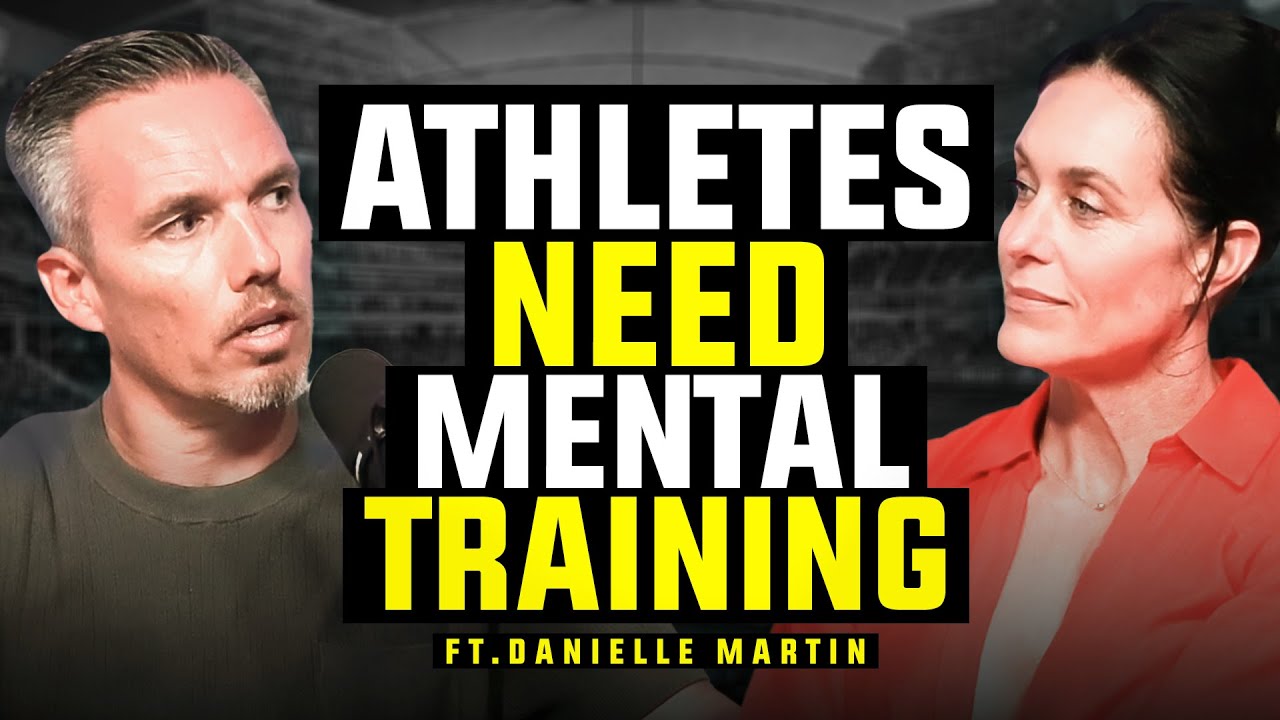
What if your biggest opponent isn’t across the field but inside your mind? In this powerful episode, mental performance advisor Danielle Martin shares how mastering the mental game in baseball can transform not just your performance but your life. Subscribe for weekly coaching on the mental side of baseball – you won’t want to miss this.
Danielle, founder of True Mindset, brings decades of experience working with elite athletes to build custom mental performance plans that go far beyond sports psychology. Through a mix of neuroscience, breath work, and fighter-inspired philosophy, she equips players with real-world tools to navigate pressure, failure, and expectation at the highest levels of the game.
WHAT YOU’LL LEARN:
• Mental performance strategies for athletes at every level
• How to reset after failure with routines that build resilience
• The difference between help vs. support – and why language matters
• Why being a multi-sport athlete matters for mental adaptability
• How elite players train mindset like muscle with actionable tools
Danielle shares her personal story of surviving a near-fatal injury caused by a fake chiropractor and how her own mental performance training saved her life. From top amateur surfer to mental coach for MLB prospects, she details how identity, fear, and emotional regulation all shape success on and off the field. You’ll discover how a fighter’s mindset and clear job execution framework can help athletes reclaim control, especially in a system that treats them like products.
Ready to build your mental toughness blueprint? Don’t miss the breakdown starting at 12:02.
TIMESTAMPS:
0:00 Intro
5:15 Danielle’s athletic journey: surfing, jiu-jitsu, softball
12:02 Coaching mindset vs. traditional sports psychology
19:20 Building trust and routines: how she works with pros
26:10 How to assess vs. judge performance
35:44 Creating action-based standards instead of chasing results
46:11 Danielle’s story: surviving a traumatic injury
53:10 Activating the inner warrior – language, breath, and presence
1:01:00 Fighter mindset: coaching through clarity, not hype
CALL TO ACTION:
Subscribe for weekly coaching on the mental game of baseball. Comment your biggest mindset challenge below
LINKS & RESOURCES:
https://truemindset.com (Danielle’s work)
https://www.abca.org (American Baseball Coaches Association)
#TrueMindset #MentalGameBaseball #AthleteMindset
NPBHUB.COM | The Fanbase of Nippon Baseball & Nippon Professional Baseball